

Sustainable farming is a way of growing food that works with nature, not against it. At its simplest, it means producing food in a way that protects the environment, supports farmers and ensures future generations can still feed themselves. In a time of climate uncertainty, rising food costs and pressure on natural resources, sustainable farming is no longer optional it is becoming essential.
The basics
At its core, sustainable farming focuses on balance.
It means growing food while keeping soil healthy, using water and energy responsibly, reducing harmful chemicals and pollution, protecting biodiversity and natural ecosystems and supporting long-term food security. Unlike industrial farming systems that often prioritise high output at all costs, sustainable farming prioritises long-term resilience.
Core principles: Sustainable farming is guided by a few practical principles that shape how food is produced:
Soil health first
Healthy soil produces healthy food. Composting, crop rotation and organic matter help keep soil fertile and alive.
Care for the environment
Farming practices should protect water sources, reduce pollution and support natural ecosystems like pollinators and wildlife.
Efficient use of resources
Water, energy and land are used carefully. Simple technologies like drip irrigation can significantly reduce waste.
Biodiversity over monoculture
Growing different crops together helps naturally manage pests and improves resilience against climate shocks.
Respect for animals and people
Ethical treatment of animals and fair conditions for farmers and farm workers are part of a truly sustainable system.
Accessibility
One of the most important truths about sustainable farming is that it is not limited to large commercial farms. It is accessible at every level: a backyard vegetable garden, a school or community garden, a small-scale urban farm and a commercial agricultural operation. Even small actions like composting food waste, reducing pesticide use, or buying locally grown produce contribute to a more sustainable food system.
Sustainable farming is a shift in thinking. It invites us to see food production as part of a wider ecosystem that includes people, planet and long-term prosperity.
As awareness grows, so does the opportunity to reshape agriculture into something more resilient, inclusive and environmentally responsible.
This editorial is presented by Sustainable Living Review as part of its commitment to accessible, practical sustainability education for all readers.
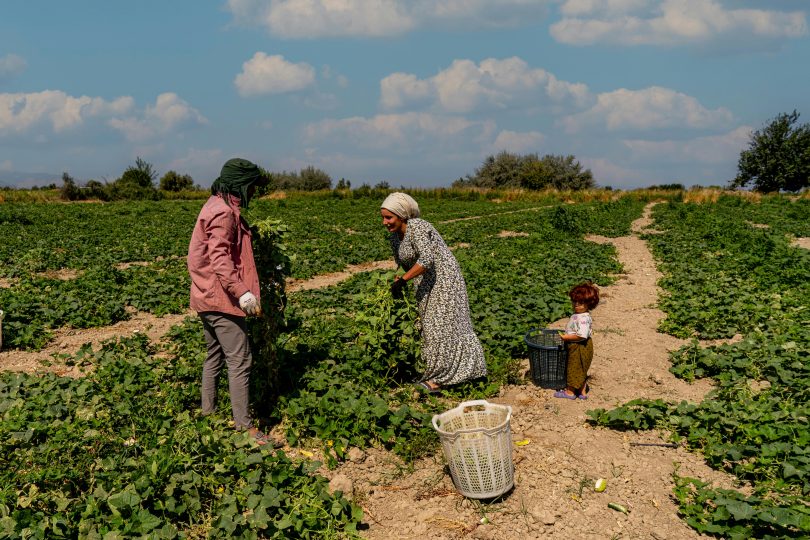
Photo credit: Deniz Sengul




Leave a Comment