

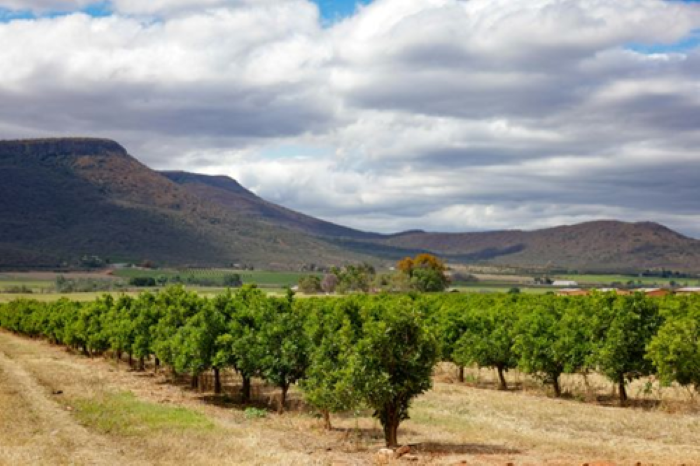

Farming in South Africa has always been more than an industry it is a lifeline. It feeds households, supports rural economies and contributes to national food security. Yet, in recent years, the pressures on agriculture have intensified. Climate change, water scarcity, rising input costs and soil degradation are reshaping how food is produced and forcing a shift in thinking: from farming for survival to farming for regeneration.
Sustainable farming is emerging as one of the most important responses to these challenges. At its core, it is about producing food in a way that protects the environment, strengthens communities and ensures that future generations can continue to farm the land productively.
From extraction to restoration
Traditional farming systems, while productive, have often relied heavily on intensive practices frequent ploughing, chemical fertilisers and monocropping. Over time, these methods can reduce soil fertility and increase dependency on costly inputs.
Sustainable and regenerative farming approaches take a different path. Instead of continuously extracting from the land, they focus on restoring it. This includes practices such as crop rotation, composting, reduced chemical use, cover cropping and improved water management. The goal is simple but powerful: healthier soil leads to healthier crops, healthier ecosystems and ultimately healthier communities.
Why it matters now
South Africa is particularly vulnerable to climate-related agricultural challenges. Droughts are becoming more frequent in some regions, while unpredictable rainfall patterns make planning increasingly difficult for farmers. At the same time, food demand continues to rise as populations grow and urbanisation increases.
Sustainable farming offers a practical response to these realities. By improving soil health and water retention, farms become more resilient to climate shocks. This means greater stability in food production and reduced risk for farmers who often operate on tight margins.
Opportunities for emerging and Small-Scale farmers
One of the most important aspects of sustainable farming is its accessibility. While large commercial farms are increasingly adopting advanced technologies, many sustainable practices can be implemented at a small scale with limited resources.
For emerging farmers, this presents an opportunity. Techniques such as composting organic waste, intercropping, and using natural pest control methods can reduce costs while improving yields over time. In many cases, sustainable farming is not about doing more it is about doing things differently and more efficiently.
A shift in mindset
Beyond techniques and tools, sustainable farming represents a shift in mindset. It encourages farmers, businesses and consumers to think long-term. Instead of focusing only on immediate output, the emphasis moves toward balance between productivity and preservation, between economic growth and environmental responsibility.
This shift is also influencing how food systems are viewed globally. Consumers are becoming more conscious of where their food comes from, how it is produced and its environmental impact. As a result, sustainable farming is no longer just an agricultural issue it is a business, environmental and social priority.
Sustainable farming is not a trend; it is an evolving necessity. It offers a pathway to stronger rural economies, more resilient food systems and a healthier relationship with the land.
As more farmers, organisations and policymakers embrace this approach, the opportunity grows not only to produce food but to restore ecosystems, empower communities and secure a more sustainable future for all.
Image credit: Magda Ehlers




Leave a Comment