

In recent years, the terms ESG and sustainability have become part of everyday conversations in business, government, fashion, farming, energy and even lifestyle media. Yet for many people, these words still sound technical, corporate, or difficult to understand.
The truth is simple: ESG and sustainability are about creating a better future for people, for businesses and for the planet. Whether you are a CEO, entrepreneur, student, investor, or simply someone who cares about the future of your family and community, understanding ESG and sustainability matters more today than ever before. There was a time when sustainability was viewed as a niche conversation something reserved for environmental activists, scientists, or large corporations. Today, that has changed dramatically. Sustainability and ESG have become some of the most important global conversations shaping the future of business, communities and everyday life.
Yet despite how often these terms are used, many people still ask an important question:
What do ESG and sustainability actually mean?
In simple terms, sustainability is about protecting the future while meeting the needs of the present. It is about ensuring that economic growth, environmental protection and social wellbeing work together in balance. Sustainability asks us to think long-term not only about profit and development, but also about people, resources and the planet we all share.
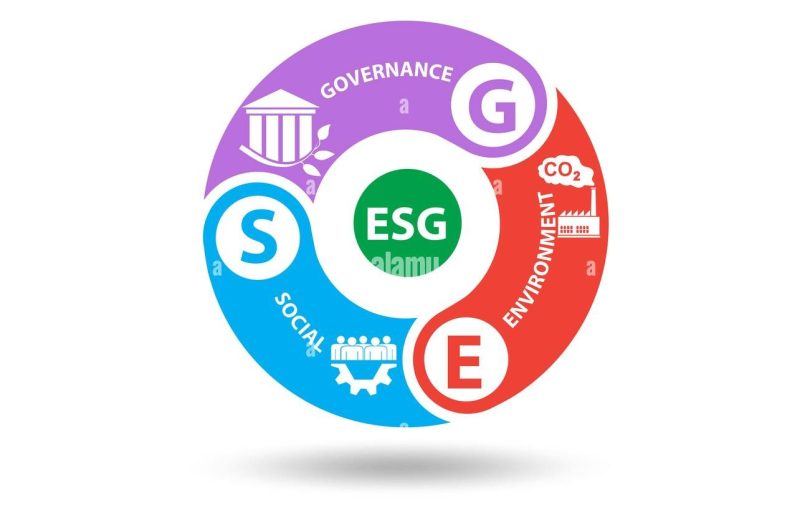
ESG, meanwhile, stands for Environmental, Social, and Governance. It is a framework used to measure how responsibly a business or organisation operates.
The “Environmental” aspect focuses on how companies impact the planet. This includes energy use, carbon emissions, waste management, water conservation, renewable energy adoption and sustainable production practices.
The “Social” pillar looks at how businesses treat people. It includes employee wellbeing, diversity and inclusion, community upliftment, customer safety, ethical labour practices and social impact.
“Governance” refers to leadership, ethics, accountability and transparency. It examines how businesses are managed, how decisions are made, and whether organisations operate responsibly and fairly.
While ESG may sound corporate or technical, its impact reaches far beyond boardrooms and annual reports. ESG influences how products are made, how companies treat employees, how cities are developed, how resources are used and ultimately, how future generations will live.
The growing importance of ESG is directly connected to the changing realities of the modern world. Climate change, rising energy costs, water scarcity, pollution, and social inequality are no longer distant concerns they are real challenges affecting businesses and communities every day.
Consumer awareness
Consumers today are also more conscious than ever before. People increasingly want to support brands that care about the environment, value communities and operate responsibly. Investors are directing billions towards businesses that prioritise sustainability, ethical leadership and long-term resilience rather than short-term profit alone. Businesses that fail to adapt to these expectations risk losing public trust, investor confidence, and long-term competitiveness. Those embracing ESG, however, are often discovering new opportunities for innovation, stronger brand loyalty and sustainable growth.
African perspective
Across Africa, sustainability is becoming a powerful driver of innovation and opportunity. From renewable energy projects and eco-conscious property developments to sustainable farming and circular economy initiatives. African businesses are increasingly proving that profitability and responsibility can successfully co-exist. The continent holds enormous potential in renewable energy, agriculture, green innovation and sustainable infrastructure. At the same time, Africa faces significant environmental and social challenges, making sustainable thinking more important than ever.
Importantly, sustainability is no longer only a corporate responsibility it is becoming a lifestyle mindset. Every individual contributes through daily choices: conserving water and electricity, reducing waste, supporting ethical brands, recycling and choosing businesses that value sustainability. Small actions, when multiplied across communities and industries, create meaningful change. Perhaps the most important shift is that success is no longer measured only by financial gain. Increasingly, businesses are being evaluated by the impact they leave on society and the environment. The future will belong to organisations and individuals who understand that growth and responsibility must work together.
Because ultimately, ESG and sustainability are not simply trends or corporate buzzwords. They are shaping the future of business, communities, and the world we are all preparing to live in.
Photo credit: Almay




Leave a Comment