

By Nisha Kemraj, General Manager of Menlyn Park Shopping Centre
As cities evolve, the conversation about sustainable urban development must extend beyond buildings and infrastructure to consider how people live, work, move and connect. A well-functioning city is not defined only by where people live, but also by how easily they can access the services, experiences and opportunities that make everyday life more convenient, inclusive and fulfilling.
This is particularly relevant as the world marks World Cities Day on 31 October, bringing Urban October to a close. Under the 2026 theme, “Regenerating the City: Adequate Housing for All,” the global conversation highlights the importance of building cities that respond to the needs of their communities. While adequate housing is fundamental to this ambition, the broader urban environment surrounding homes is equally important. Access to retail, shopping, transport, connectivity, healthcare, leisure, employment, recreation, social infrastructure and public amenities and spaces helps determine whether neighbourhoods function as connected, liveable communities.
In Pretoria, this presents an opportunity to recognise the role that established urban destinations can play in shaping a more convenient, economically active and socially connected city.
Shopping centres are an important part of this conversation. Their role has evolved considerably from providing a place to purchase goods to becoming integrated destinations where commerce, entertainment, dining and social interaction converge. Modern shopping centres are consequently evolving into lifestyle and experience destinations. The centres that remain relevant are those that balance the practical requirements of everyday shopping with opportunities for entertainment, discovery, cultural expression, lifestyle experiences, and human connection.
When these amenities are accessible within communities, they can help reduce the need for lengthy journeys to traditional central business districts, allowing people to spend less time travelling and more time on work, family and leisure.
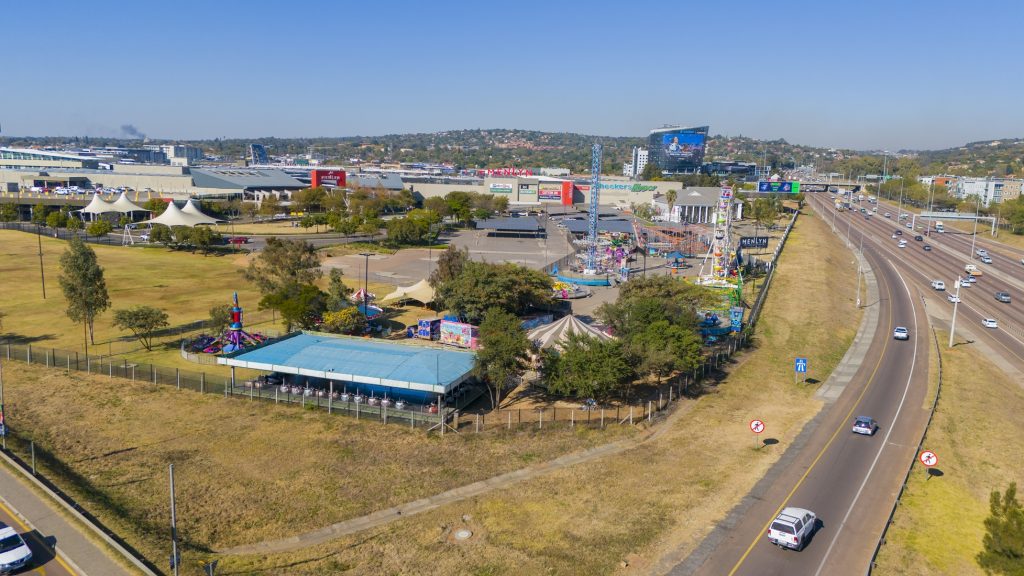
For example, Menlyn Shopping Centre benefits from direct access via the N1 highway, Gautrain bus routes and a taxi rank, providing multiple transport options for customers, employees and tenants from different parts of Gauteng and beyond. This connectivity links local communities to a wider network of retail, business, lifestyle, and leisure opportunities, reinforcing the centre’s role as more than a shopping destination.
In an environment where South African households continue to navigate cost-of-living pressures, convenience has a tangible economic value. The proximity of everyday services and amenities is therefore an important consideration in creating urban environments that work better for the people who inhabit them.
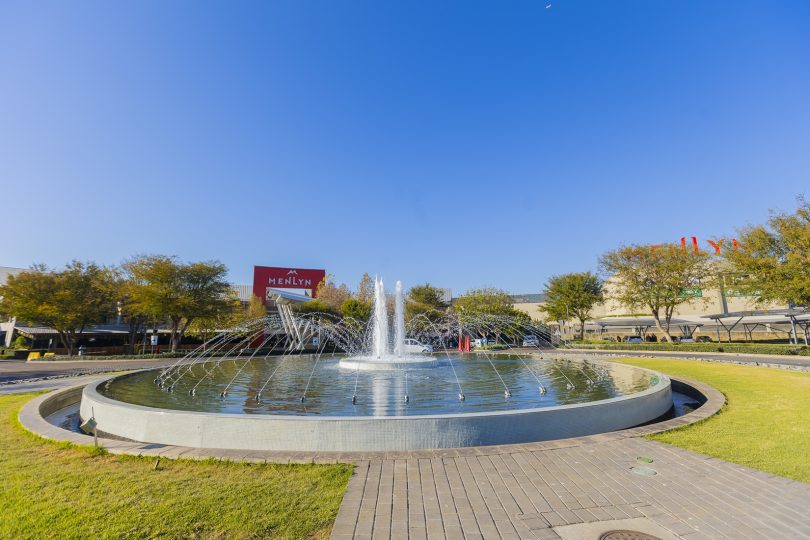
Menlyn Park Shopping Centre reflects this evolution within Pretoria’s changing urban landscape. The centre has grown beyond its traditional retail function to become an established destination for shopping, entertainment, dining and lifestyle experiences. Its significance, however, extends beyond its scale. It lies in how the centre continues to respond to the changing needs, expectations and aspirations of the city it serves.
Cities are ultimately about people. As Pretoria grows and changes, destinations must evolve alongside the communities around them. Our responsibility is to understand those needs and create experiences that remain meaningful in people’s everyday lives.
This shift reflects a broader transformation in the retail sector. Consumers are increasingly deliberate about how they spend both their money and their time. Against a backdrop of economic uncertainty, shopping trips are often more considered, with value, accessibility and convenience influencing decisions. Yet value is no longer measured exclusively by price. The quality of an experience, the availability of different activities in one destination and the opportunity to combine practical errands with leisure can also determine whether a visit feels worthwhile.
Modern shopping centres are consequently evolving into experience destinations. The centres that remain relevant are those that balance the practical requirements of everyday shopping with opportunities for entertainment, discovery, cultural expression and human connection.
For Pretoria, this evolution is significant. Menlyn Park occupies a prominent position within a city that continues to develop as a commercial, residential and cultural hub. Its location within an important urban corridor also places it in a position to serve people travelling from different parts of Gauteng and beyond, connecting local communities with a wider network of retail, business and leisure opportunities.
Such destinations contribute to the urban economy through retail activity, employment and opportunities for business participation. In this way, a shopping centre can become part of the wider cultural identity of a city, reflecting its ambitions while adapting to its changing social and economic realities.
For Menlyn Park, the ambition is therefore to move beyond being recognised simply as the biggest mall and become one of Pretoria’s most meaningful lifestyle destinations. That distinction rests on creating a sense of arrival for visitors, fostering a feeling of belonging for communities and offering retail partners an environment in which their businesses can grow. It also means recognising the centre as a neighbour within the broader urban fabric, with a responsibility to contribute positively to the city’s future.
This approach places people, rather than buildings alone, at the centre of the destination experience. A successful urban place should be functional, but it should also inspire connection. It should offer convenience without sacrificing discovery, commercial opportunity without losing sight of community, and scale without compromising the individual experiences that make people want to return.
Regenerating cities, therefore, calls for a wider understanding of what makes urban life sustainable. Housing remains a foundational need, but the quality of the surrounding environment matters too. Neighbourhoods become more liveable when residents can access essential amenities, economic opportunities and social spaces without unnecessary complexity or expense. Retail destinations cannot solve every urban challenge, but they can contribute to a more connected city when they respond responsibly to the communities they serve.
As Pretoria continues to evolve, the opportunity is to build on the relationship between its residential areas, business districts, public spaces and lifestyle destinations. Collaboration between city authorities, property owners, businesses and communities will be essential to ensuring that urban growth delivers benefits that extend beyond individual developments.
World Cities Day provides a timely reminder that the future of cities is shaped by the everyday experiences of their people. For Menlyn Park, that means continuing to adapt to Pretoria’s needs while creating a destination where convenience, economic activity, culture and belonging intersect.
Ultimately, a city becomes more liveable not simply when it grows, but when that growth makes life better for the people who call it home.