

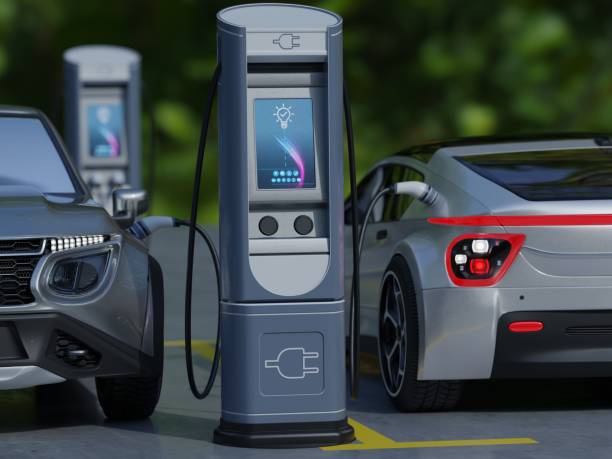

How Smart Cars Are Reshaping the Future of Sustainable Living
An Editorial Review by the Sustainable Living Review Team
Across the globe, the mobility sector is undergoing one of the most transformative shifts in modern history. From electric vehicles and hybrid technologies to intelligent mobility systems and energy-efficient transportation, the automotive industry is redefining how people move and more importantly, how mobility can coexist with a sustainable future.
For Africa, this transition carries even greater significance.
As urban populations continue to grow and cities become increasingly congested, the continent faces mounting environmental pressures linked to emissions, fuel dependency and ageing transport infrastructure. Smart mobility presents an opportunity not only to modernise transportation systems, but also to create cleaner, more efficient and environmentally responsible cities. The rise of smart cars is no longer a concept reserved for Europe, North America, or Asia. Africa is steadily entering the conversation and the momentum is impossible to ignore.
This editorial feature is based on the independent reviews, industry observations and sustainability perspectives of the Sustainable Living Review editorial team, highlighting the brands, innovations and mobility trends contributing positively toward a greener future.
Why Smart Mobility Matters
Transportation remains one of the largest contributors to global carbon emissions. Traditional fuel-powered vehicles release harmful greenhouse gases that contribute to climate change, poor air quality and long-term environmental degradation.Smart mobility solutions particularly electric and hybrid vehicles aim to reduce this impact through cleaner energy consumption, improved fuel efficiency and advanced technologies that optimise driving performance.
For Africa, where many countries are actively exploring renewable energy investment and greener urban planning, smart mobility forms a critical piece of the sustainability puzzle.

The integration of electric vehicles (EVs), intelligent transport systems and renewable-powered charging infrastructure has the potential to: Reduce urban air pollution,lower dependence on fossil fuels, improve energy efficiency, encourage cleaner cities and healthier communities, support long-term climate goals and create new green economy opportunities and jobs. In many ways, smart mobility is not simply about cars it is about reimagining how African societies live, commute and interact with their environments.
The African Landscape Is Evolving
While adoption across Africa is still developing, several countries are beginning to embrace electric mobility at an encouraging pace. South Africa continues to lead conversations around EV adoption and charging infrastructure, with growing investment from both private and public sectors. Kenya is rapidly emerging as a hub for electric motorcycles and clean public transport innovation, while Rwanda has gained recognition for promoting electric mobility initiatives within urban transport systems. This growing shift reflects a broader awareness that sustainability can no longer be separated from infrastructure development and economic growth.
African consumers are also becoming increasingly conscious of fuel costs, environmental responsibility, and the long-term benefits of energy-efficient mobility. As charging networks improve and smart vehicle technologies become more accessible, the market is expected to accelerate significantly over the next decade.
The Brands Driving Change
The following brands are among those recognised by the Sustainable Living Review team for their influence, innovation and contribution toward sustainable mobility solutions globally.
Tesla: Tesla remains one of the most influential names in the electric vehicle revolution. The company’s focus on fully electric mobility, battery innovation and intelligent vehicle systems has fundamentally changed global perceptions of sustainable transportation.
BMW: BMW has invested heavily in electric and hybrid mobility through models designed to combine luxury, performance and sustainability. Its continued investment in cleaner mobility technologies reflects how premium automotive brands are embracing environmental responsibility.
Toyota: Toyota has been instrumental in advancing hybrid technology globally. Its long-standing commitment to fuel-efficient and low-emission vehicles has positioned the brand as a key contributor to sustainable mobility solutions, particularly in emerging markets.
Volvo Cars: Volvo continues to push sustainability through electrification, safety innovation and environmentally conscious manufacturing practices. The company has publicly committed to becoming a fully electric car brand in the coming years.
BYD: Chinese manufacturer BYD has rapidly become a global force in electric mobility. Its expansion into buses, passenger vehicles and battery technology is contributing significantly to the affordability and scalability of EV adoption worldwide.
Mercedes-Benz: Mercedes-Benz is investing extensively in luxury electric mobility through its EQ range, showcasing how innovation and sustainability can coexist within premium automotive experiences.
Smart mobility extends beyond the vehicles themselves. It also includes: smart traffic management system, integrated public transportation, renewable-powered charging infrastructure, shared mobility solutions, autonomous driving technologies and digital mobility ecosystems. As African cities continue to modernise, these innovations could help reduce congestion, improve commuter experiences and support more sustainable urban environments. The future of mobility in Africa will depend not only on technological advancement, but also on policy support, infrastructure investment and collaboration between governments, energy providers and the private sector.
The transition toward smart mobility represents more than an automotive trend it signals a cultural and environmental shift toward responsible living. For Africa, the rise of smart cars and clean mobility technologies presents an opportunity to leap forward into a greener future while addressing some of the continent’s most pressing urban and environmental challenges. As innovation continues to evolve, the question is no longer whether sustainable mobility will become part of everyday African life but how quickly the continent can embrace the journey.
In the drive toward a more sustainable planet, smart mobility may prove to be one of the most powerful vehicles for change.
This editorial feature reflects the views, reviews and sustainability observations of the Sustainable Living Review editorial team.
Photo Credit: Getty Images








Leave a Comment